
mirror design for partition
Understanding Dial Snap Gauges Precision in Measurement Dial snap gauges are essential tools used in various industries for measuring the thickness, diameter, or other dimensions of a workpiece. Their simplicity and precision make them invaluable in quality control and manufacturing processes. In this article, we will explore the features, applications, and advantages of dial snap gauges, highlighting why they are a preferred choice for many professionals. What is a Dial Snap Gauge? A dial snap gauge consists of a measuring head with a dial indicator attached. The measuring head typically features two parallel surfaces that are used to make contact with the workpiece. The dial indicator displays the measurement, allowing users to read values with high accuracy. These gauges can measure both internal and external dimensions, making them versatile tools in machining and assembly. Key Features of Dial Snap Gauges 1. Ease of Use Dial snap gauges are designed for quick and easy measurements. Users can simply align the gauge with the workpiece, apply gentle pressure, and read the measurement from the dial. This efficiency is crucial in high-paced manufacturing environments. 2. High Precision One of the standout features of dial snap gauges is their accuracy. They can provide measurements to the nearest thousandth of an inch or hundredth of a millimeter, depending on the design. This level of precision is essential in industries where even minor deviations can have significant consequences. 3. Durability Made from high-quality materials, dial snap gauges are built to withstand the rigors of industrial use. Their robust construction ensures longevity and reliability, making them a smart investment for businesses. 4. Variety of Sizes and Types Dial snap gauges come in various sizes and styles to accommodate different measurement needs . Whether measuring small components in electronics or large parts in automotive manufacturing, there is a dial snap gauge suitable for the task. dial snap gauge Applications of Dial Snap Gauges Dial snap gauges are versatile tools used across numerous industries. Some of the primary applications include - Manufacturing Used extensively in machining operations to ensure parts are manufactured to specified tolerances. - Quality Control QC departments utilize dial snap gauges to verify the dimensions of finished products, ensuring compliance with industry standards. - Engineering Engineers often use these gauges during prototyping to check the dimensions of components and ensure they function as intended. - Automotive and Aerospace In these industries, where safety and precision are paramount, dial snap gauges play a critical role in component inspections. Advantages Over Other Measurement Tools While there are various measuring instruments available, dial snap gauges offer several advantages - Immediate Readings Unlike digital calipers that require calibration, dial snap gauges provide instantaneous readings, enhancing productivity. - No Batteries Required Unlike electronic measuring tools that depend on battery power, dial snap gauges are purely mechanical. This eliminates concerns about battery life, ensuring reliable performance at all times. - Cost-Effective Dial snap gauges are often more affordable than electronic counterparts while still providing high precision, making them an economical choice for many businesses. Conclusion In summary, dial snap gauges are indispensable tools in the realm of precision measurement. Their ease of use, accuracy, and durability make them suitable for a wide range of applications in manufacturing, engineering, and quality control. As industries continue to evolve and demand higher precision, the role of dial snap gauges will remain vital for ensuring that products meet stringent standards. For anyone involved in machining or quality assurance, investing in a dial snap gauge is a step towards achieving excellence in measurement.
about
mirror design for partition
Granite Fabrication Tilt Table Enhancing Efficiency and Precision in Stone Work The stone fabrication industry has evolved significantly over the years, driven by advancements in technology and the consistent demand for high-quality products. Among the many tools and equipment used in this field, the granite fabrication tilt table stands out as a vital piece of machinery that enhances efficiency, safety, and precision in the cutting and shaping of granite surfaces. This article explores the features, benefits, and operational aspects of the granite fabrication tilt table. Understanding Granite Fabrication Tilt Tables A granite fabrication tilt table is a specialized work surface designed to hold large slabs of granite at adjustable angles. This apparatus allows fabricators to perform various tasks, including cutting, polishing, and finishing, with much greater ease and accuracy. Tilt tables are typically built robustly to support heavy granite pieces while providing flexibility in adjusting the angle for different operations. The construction of a tilt table involves high-quality materials such as steel and aluminum, ensuring durability and stability. Many models also feature integrated vacuum systems to secure the stone in place while working, minimizing the risk of movement that can lead to imprecise cuts or accidents. Advantages of Tilt Tables in Granite Fabrication 1. Enhanced Ergonomics The adjustability of tilt tables improves ergonomics for workers. By allowing operators to change the slab's angle, they can avoid awkward postures and reduce strain during repetitive tasks. This ergonomic design not only promotes worker safety but also increases productivity as employees can work more comfortably and efficiently. 2. Improved Precision Precision is paramount in granite fabrication. With a tilt table, fabricators can achieve consistent cuts and finishes by working at optimal angles. Whether the task is cutting, drilling, or polishing, the stability and adjustability of the tilt table contribute to achieving a higher level of accuracy. This precision is crucial in meeting customer expectations and ensuring that installations fit perfectly, thereby reducing waste and additional costs. granite fabrication tilt table 3. Versatility A granite fabrication tilt table can accommodate various sizes and shapes of stone slabs. This versatility is key for shops that handle diverse projects, from countertops to intricate designs . By having the ability to tilt the stone, workers can quickly switch between different operations without needing extensive setup changes. 4. Increased Safety The weight of granite slabs poses significant risks if not handled correctly. A tilt table provides a secure and stable surface, minimizing the chances of accidents. Additionally, the ability to adjust the angle of the slab means that cuts can be made more safely, reducing the risk of injuries associated with manually lifting and maneuvering heavy stones. 5. Time Efficiency Time is money in the fabrication industry. The use of a tilt table streamlines various processes by allowing for quick adjustments and easy access to different angles. This time-saving aspect translates into faster project completion and the ability to take on more work without sacrificing quality. Operational Considerations When integrating a granite fabrication tilt table into a workspace, several factors should be considered. First, it’s essential to assess the shop layout to ensure there is adequate space for maneuvering large slabs and operating the table safely. Moreover, operators should receive proper training to maximize the benefits of the tilt table while adhering to safety protocols. Regular maintenance of the tilt table is also crucial. Checking for wear and tear, ensuring the vacuum system functions correctly, and inspecting the adjustment mechanisms will prolong the equipment’s lifespan and reliability. Conclusion The granite fabrication tilt table is an invaluable asset for any stone fabrication business. By enhancing ergonomics, precision, versatility, safety, and time efficiency, it significantly impacts the quality of the final product and the overall workflow. As the industry continues to adapt to technological advancements, incorporating tools like tilt tables will remain essential for staying competitive and meeting client demands in the granite fabrication market. Investing in such equipment is not only a step toward improving operational efficiency but also a commitment to delivering outstanding craftsmanship in every project.
-

High quality industrial productsagement

High quality industrial products
View Details -

Meet the diverse needs of customers

Meet the diverse needs of customers
View Details -

Strict quality control

Strict quality control
View Details -

Top raw materials

Top raw materials
View Details -

Trusted supplier

Trusted supplier
View Details
Our application
news and information
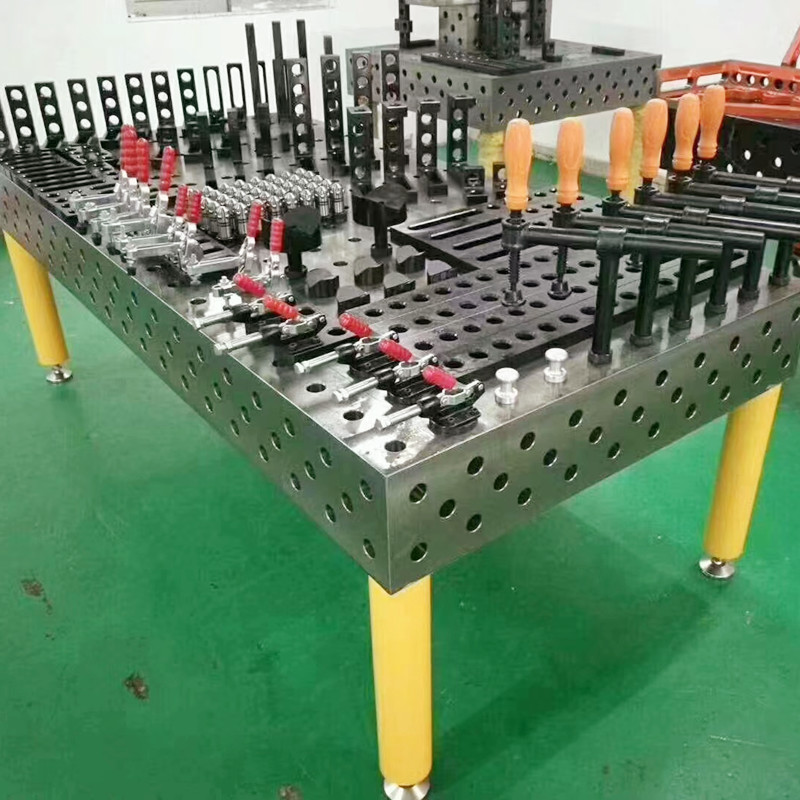
Versatile 4x8 Welding Table for Precision Fabrication and Project Efficiency
The Versatility of a 4x8 Welding Table When it comes to metalworking and fabrication, having the rig
Various Types of Control Valves and Their Practical Applications in Industry
Control Valve Types and Applications Control valves are critical components in various industrial pr
Y-type Strainer Valve Design and Applications in Fluid Management Systems
Understanding Y-Type Strainer Valves A Comprehensive Overview In various industrial and commercial a
 English